
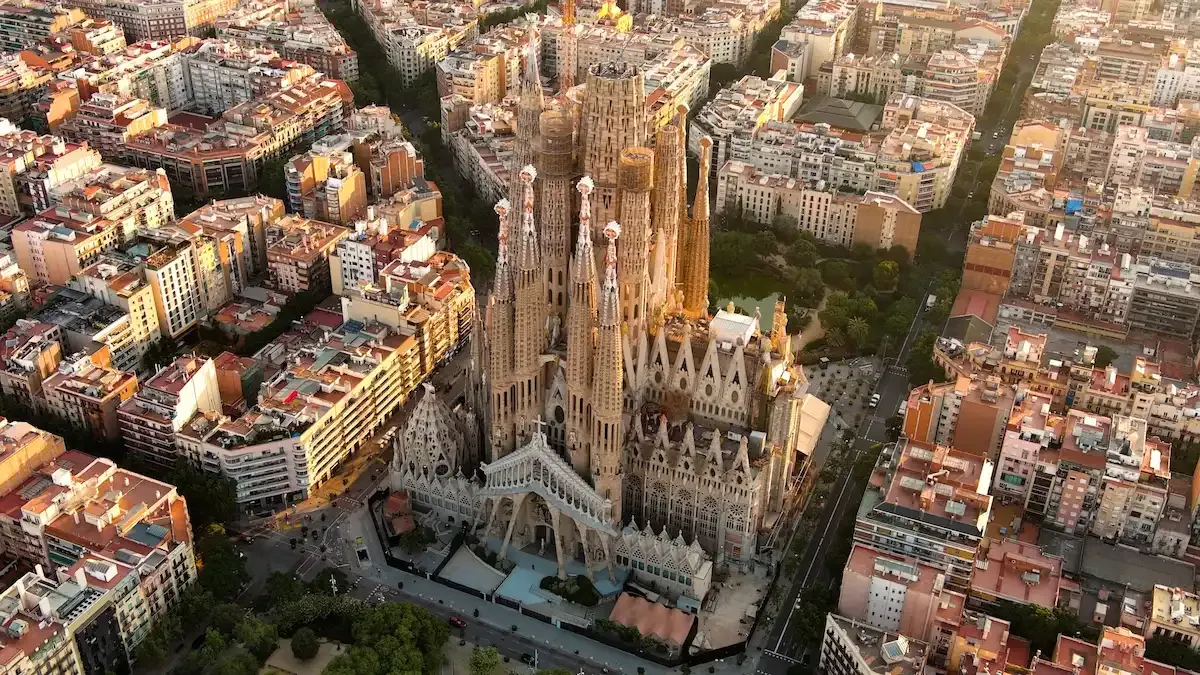
Best time to visit the Sagrada Familia
The best time to go to Sagrada Familia is 09:00 on a weekday. For photography, 14:00–17:00 in winter or 16:00–19:00 in summer delivers the warm amber light from the west-facing Passion Facade windows.
Best day and time to visit
Opening at 9:00 AM on weekdays (Monday through Thursday) offers the most efficient access to the basilica.
Off-peak and shoulder seasons
Visiting during the winter off-peak season or the spring and fall shoulder seasons reduces wait times.
Online booking
Booking tickets online lets visitors skip the long lines at the ticket office.
What is the best time to go to Sagrada Familia?
Basílica de la Sagrada Família (Temple Expiatori de la Sagrada Família) draws over four million visitors annually. Timing controls two separate things: how crowded the space feels and what color the interior light is.
- 09:00 weekday opening. The quietest the basilica reaches on any day. Nativity Facade windows cast cool blues and greens through the nave.
- Midday (12:00–15:00). The worst window for a comfortable visit.
- Afternoon (14:00–19:00, season-dependent). Crowd levels drop, and Passion Facade windows deliver the warm amber light that visitors most often photograph.
- Saturday and Sunday. Much busier than weekdays at every hour. Sunday opens at 10:30, not 09:00.
Morning
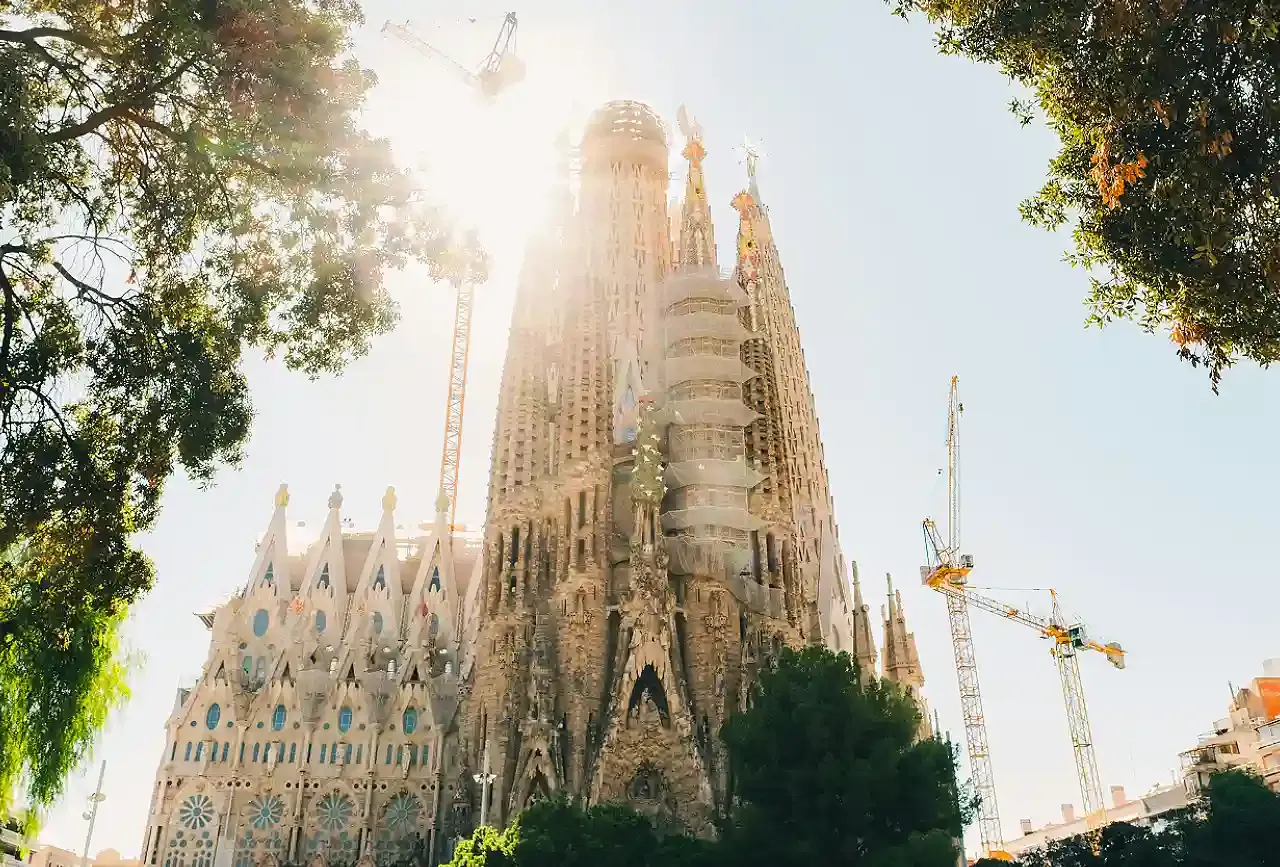
The 9:00 AM opening on weekdays is a strategic time to enter the basilica before large tour groups and school excursions arrive. Early visitors experience the morning light as it filters through the blue and green stained-glass windows on the Nativity façade, creating a cool atmosphere within the nave.
Between 9:00 AM and 11:00 AM, the interior remains relatively quiet, allowing for a clearer view of the architectural details and the museum exhibits. However, ticket holders during the academic year should note that student groups often occupy the space between 9:00 AM and 1:00 PM. Arriving exactly at the opening hour remains the most effective way to bypass mid-day congestion.
Is it better to visit the Sagrada Familia during the week or on the weekend?
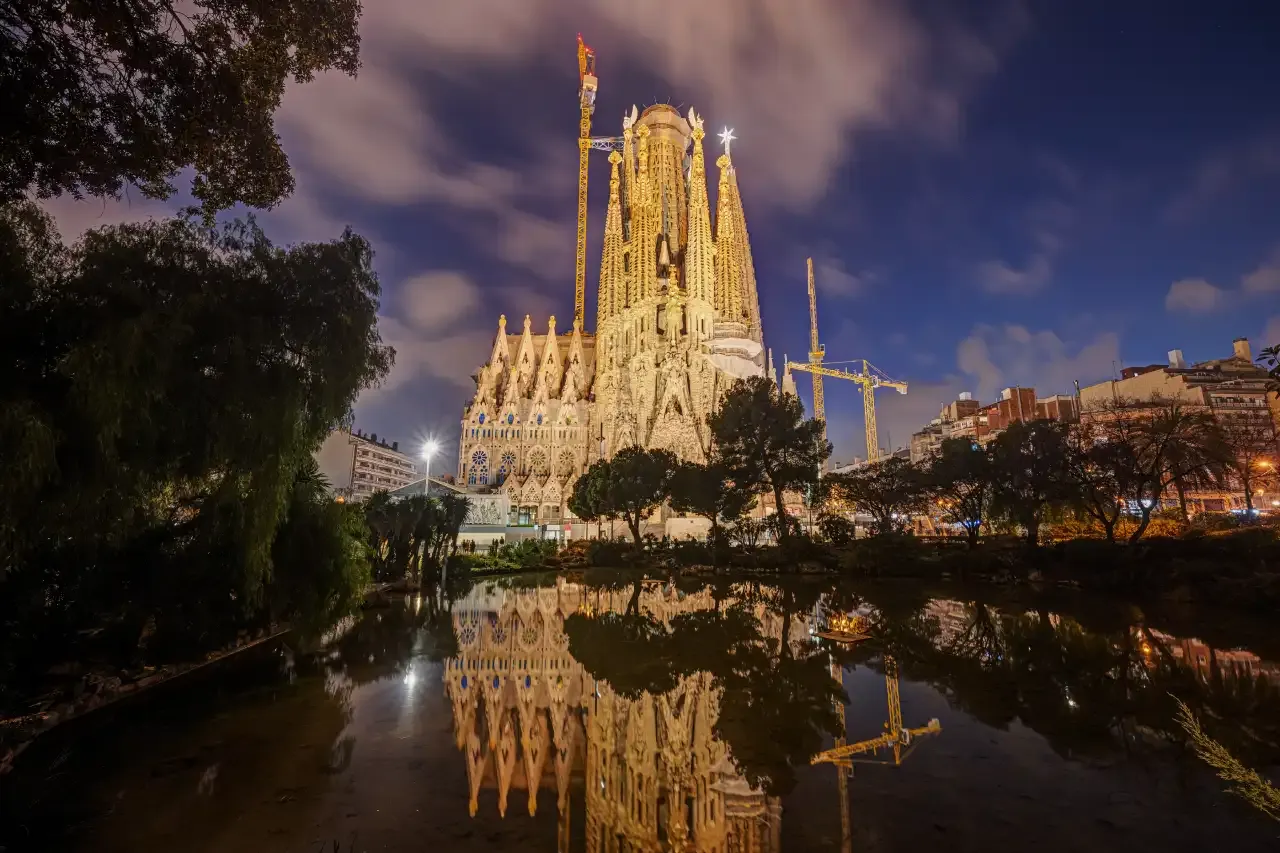
As one user on Reddit points out, 'weekdays are best.' Specifically, the best time to visit the Sagrada Familia is Monday to Thursday, as these days avoid the larger crowds that gather on weekends. Sundays see a significant influx of visitors coinciding with the international mass, while Fridays and Saturdays remain popular and often busier. Tuesdays and Wednesdays typically provide a favorable environment for exploring the nave and museum before visitor numbers increase on Thursdays due to long-weekend arrivals. Choosing a weekday allows for easier movement throughout the complex.
Visitors should consider the presence of school groups during the academic year when planning their visit. Avoiding the main school hours of 9:00 AM to 1:00 PM minimizes these interactions, particularly outside the busier months of January and February.
What do crowd levels look like by hour?
Visitor numbers are at their lowest right at opening, climb steadily throughout the morning, and peak between 12:00 and 15:00. Based on popularity tracking across the full week, here is what to expect:
- Weekday opening (09:00): This is consistently the quietest time to visit the basilica on any day of the week. Every weekday morning starts with these similarly low crowd levels.
- Weekday midday peak (12:00–15:00): This is the busiest period on a typical weekday. Both tour groups and independent visitors tend to arrive during this window, creating the heaviest foot traffic.
- Saturday midday peak (12:00–15:00): Noticeably busier than any weekday peak, as weekend crowds compress into these same early afternoon hours.
- Sunday midday peak (12:00–14:00): Expect maximum capacity. This is the single busiest period of the entire week.
When looking at the week as a whole, Thursdays are the quietest days overall, closely followed by Tuesdays.
Does the time of day change what visitors see inside?
The time of visit determines which color palette floods the interior. The nave has stained glass on both the east and west sides, facing in opposite directions. The Stained Glass windows on the east and west sides of the nave were designed by Joan Vila-Grau to respond to directional sunlight. East-side glass catches the morning; west-side glass catches the afternoon.
On the east side, the Nativity Facade (Fachada del Nacimiento) windows face the sunrise. From opening through around 12:00, direct sunlight pushes cool blues, greens, and aquas across the columns and floor. The light is quiet. Visitors report it as meditative.
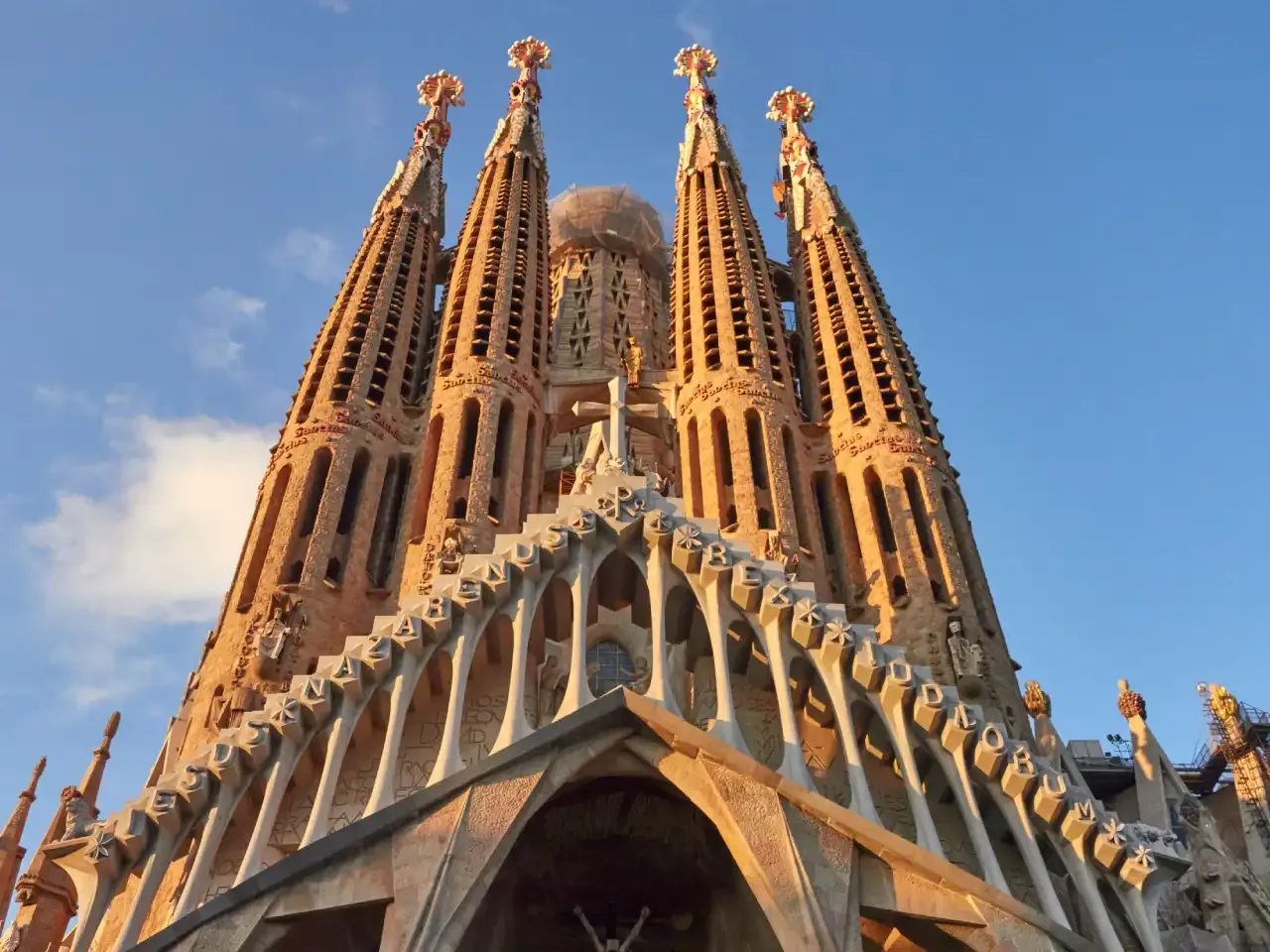
On the west side, the Passion Facade (Fachada de la Pasión) windows face the setting sun. From 14:00 to 17:00 in autumn and winter, and from 16:00 to 19:00 in spring and summer, warm ambers, oranges, and deep reds spill across the nave. More than 5,000 visitor reviews name the interior light as the single highlight of their visit. The afternoon palette is the one most photographed.
| Time | 09:00–12:00 |
|---|---|
| Facade | Nativity Facade (east) |
| Window colors | Blues, greens, aquas |
| Atmosphere | Calm, meditative, fewer crowds |
| Time | 12:00–14:00 |
|---|---|
| Facade | Both sides weaker |
| Window colors | Mixed, diffuse |
| Atmosphere | Bright but less dramatic |
| Time | 14:00–17:00 (winter) / 16:00–19:00 (summer) |
|---|---|
| Facade | Passion Facade (west) |
| Window colors | Ambers, oranges, reds |
| Atmosphere | Warm, dramatic, photography peak |
Planning Your Visit by Weather and Season
Optimal planning for the Sagrada Família requires understanding how Barcelona’s seasonal shifts and weather patterns affect your visit. Changes in natural light, crowd levels, and official opening hours determine the best way to experience the basilica throughout the year:
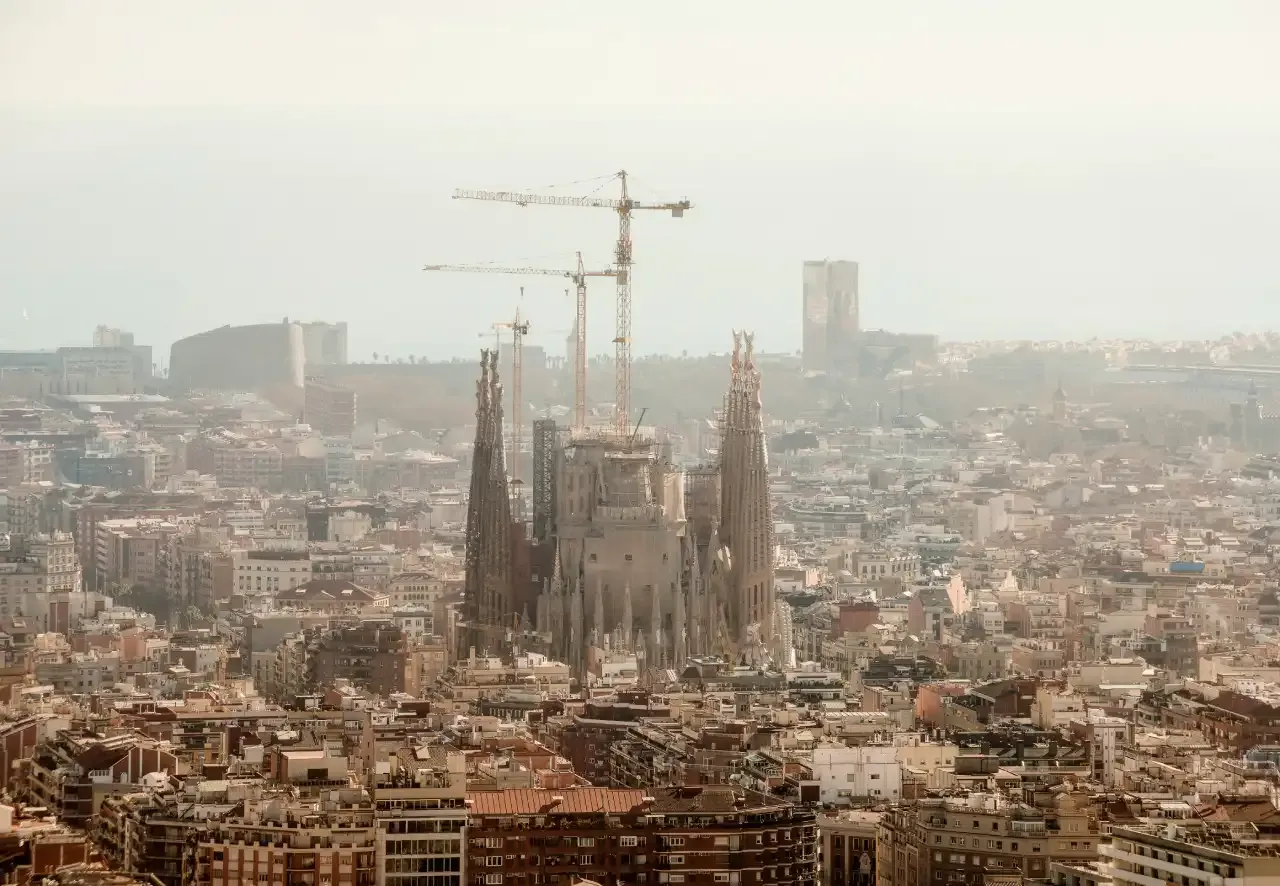
Winter
As mentioned earlier, winter represents the low season in Barcelona, offering the fewest crowds and shorter wait times for the towers. Between November and February, the basilica operates on a reduced schedule, typically closing at 6:00 PM.
Average temperatures range from 5°C to 15°C (41°F to 59°F), making the interior of the stone nave feel quite cool. Visitors should wear warm layers and a jacket, though they must remove hats upon entering the sacred space.
The low angle of the winter sun creates long, dramatic shadows and vibrant blue hues through the Nativity façade windows. This season provides a tranquil atmosphere for those who prefer a contemplative visit without the summer heat.
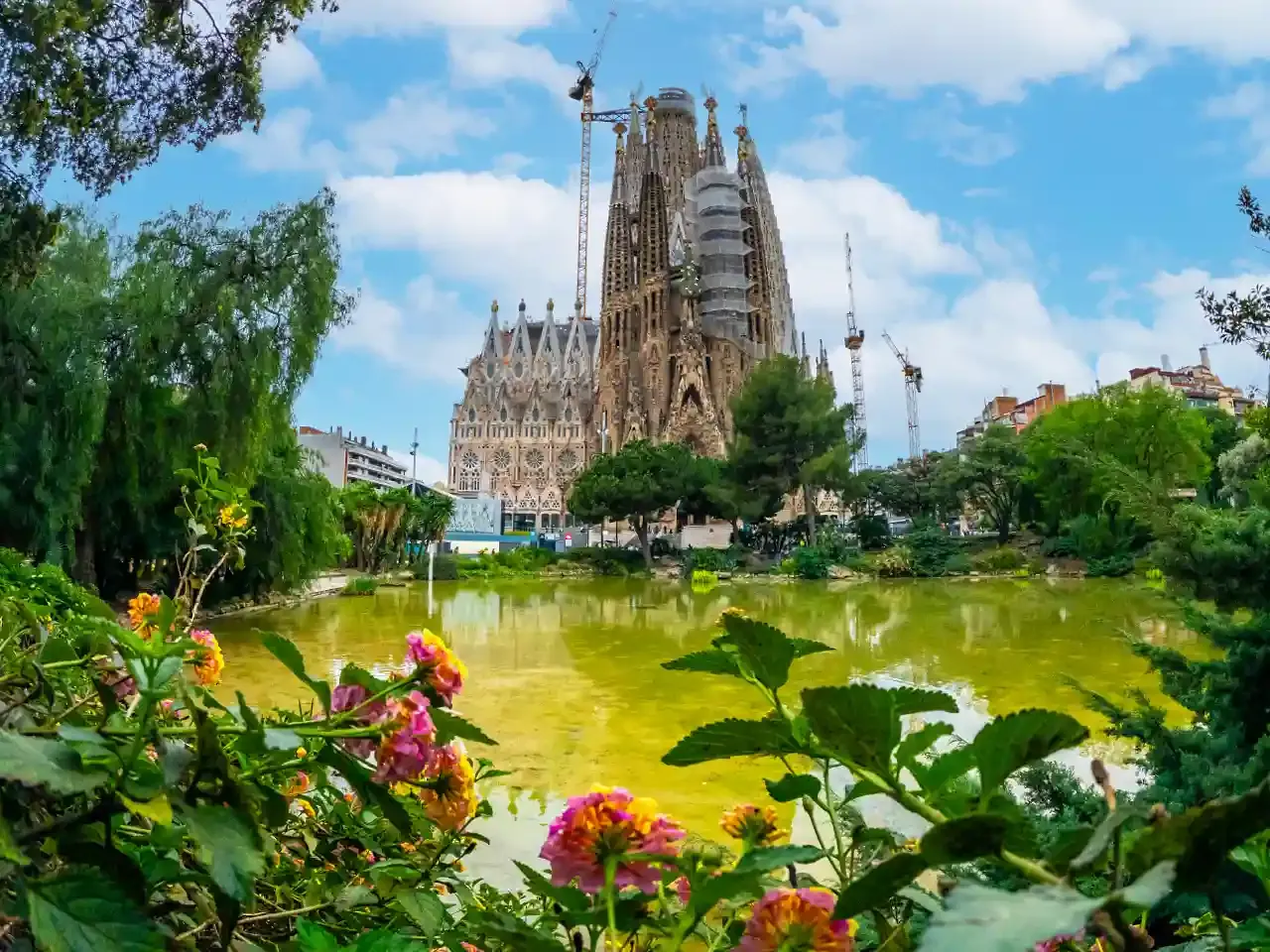
When is the off-season for visiting the Sagrada Familia?
The off-season for visiting the Sagrada Familia mainly runs from November through February, excluding the Christmas and New Year holiday period. During these winter months the basilica sees a significant drop in daily visitors, allowing for a quieter experience in the nave and quicker access to the towers.
Visitors benefit from the shortest wait times of the year and a more contemplative atmosphere. While the monument follows a reduced winter schedule—typically closing at 6:00 PM—the lower visitor numbers make it easier to move through the museum and around the exterior facades for those seeking a tranquil visit.
What happens if visitors go on Sunday?
Sundays open at 10:30, not 09:00. That 90-minute gap catches visitors planning an early-morning crowd strategy. It does not work on Sunday.
Key facts for a Sunday visit:
- 10:30 opening. The 09:00 weekday start does not apply.
- Religious services in the morning. Sagrada Familia is an active basilica. Sunday masses restrict tourist access to parts of the interior during morning hours.
- Early-bird strategy unavailable. The low crowd index and Nativity Facade morning light that make 09:00 worth booking are not accessible on Sunday.
- Recommended arrival: after 14:00. Services have ended by mid-afternoon. Arriving at 14:00 or later gives access to the full interior and puts visitors in the warm afternoon Passion Facade light window.
Best time to visit during special events and holidays
The best time to visit during special events and holidays depends on the specific modifications made to the operating hours:
- On December 25 and 26, as well as January 1 and 6, the basilica implements a reduced schedule and closes the gates at 2:00 PM.
- During the Easter period and the La Mercè festivities in September, the monument experiences increased attendance due to cultural and religious ceremonies. These occasions often involve specific access requirements or temporary closures of certain sections like the towers.
Visitors planning their arrival during these periods must secure entry in advance to ensure access. Planning around these dates allows for participation in the traditions while managing the logistics of the visit.